
CO2-Negative Cultivation Strategy
- Home
- Innovations
- CO₂-negative cultivation strategy
What does this strategy involve?
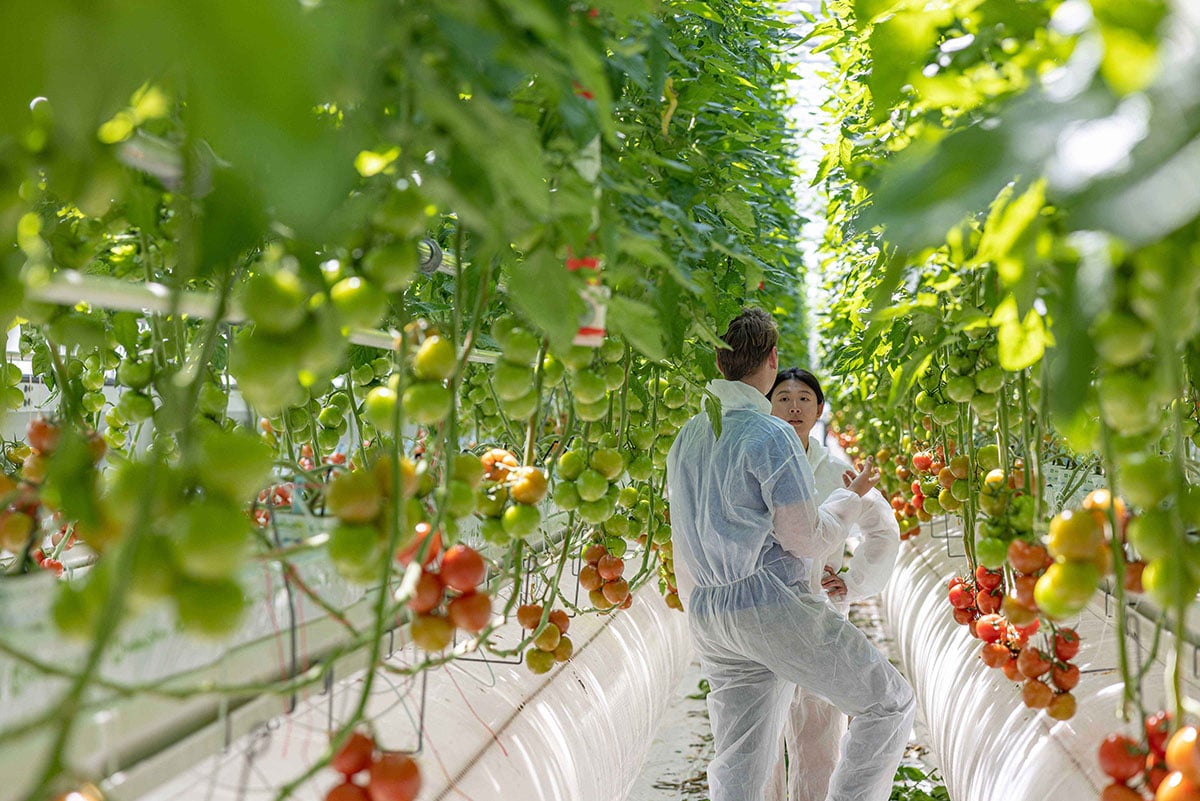
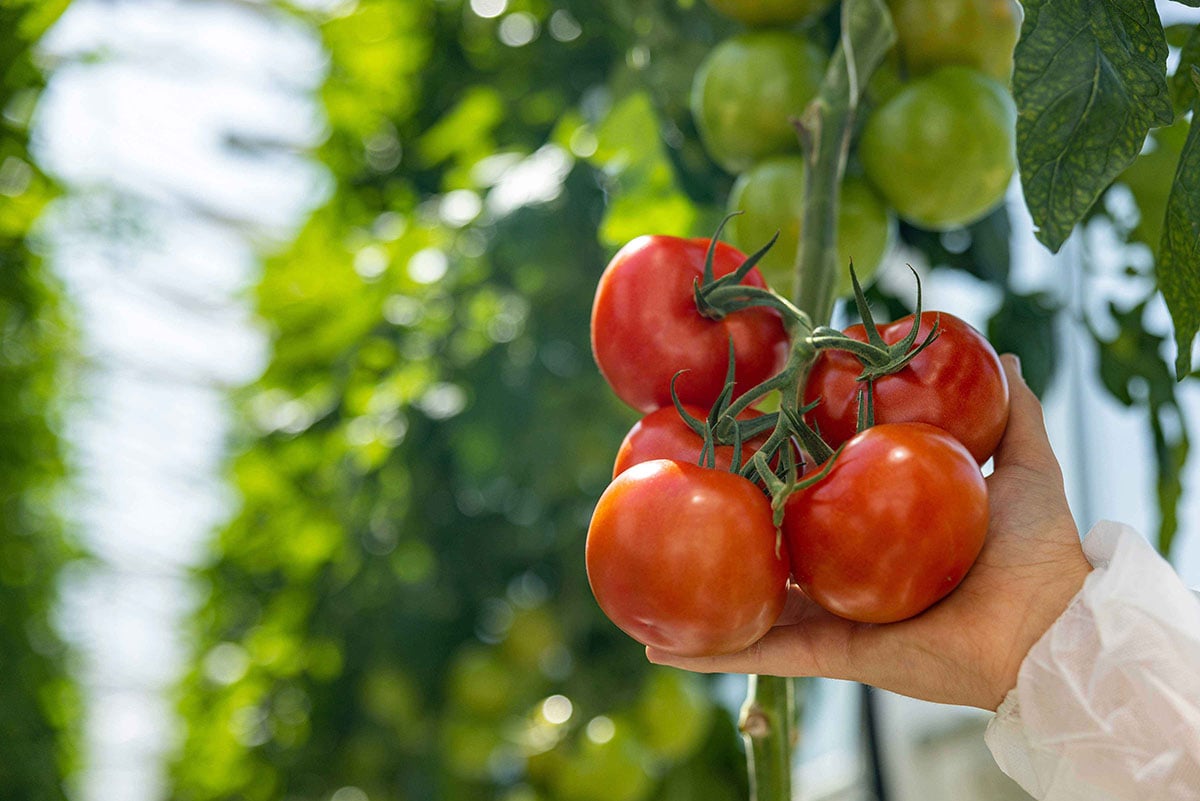
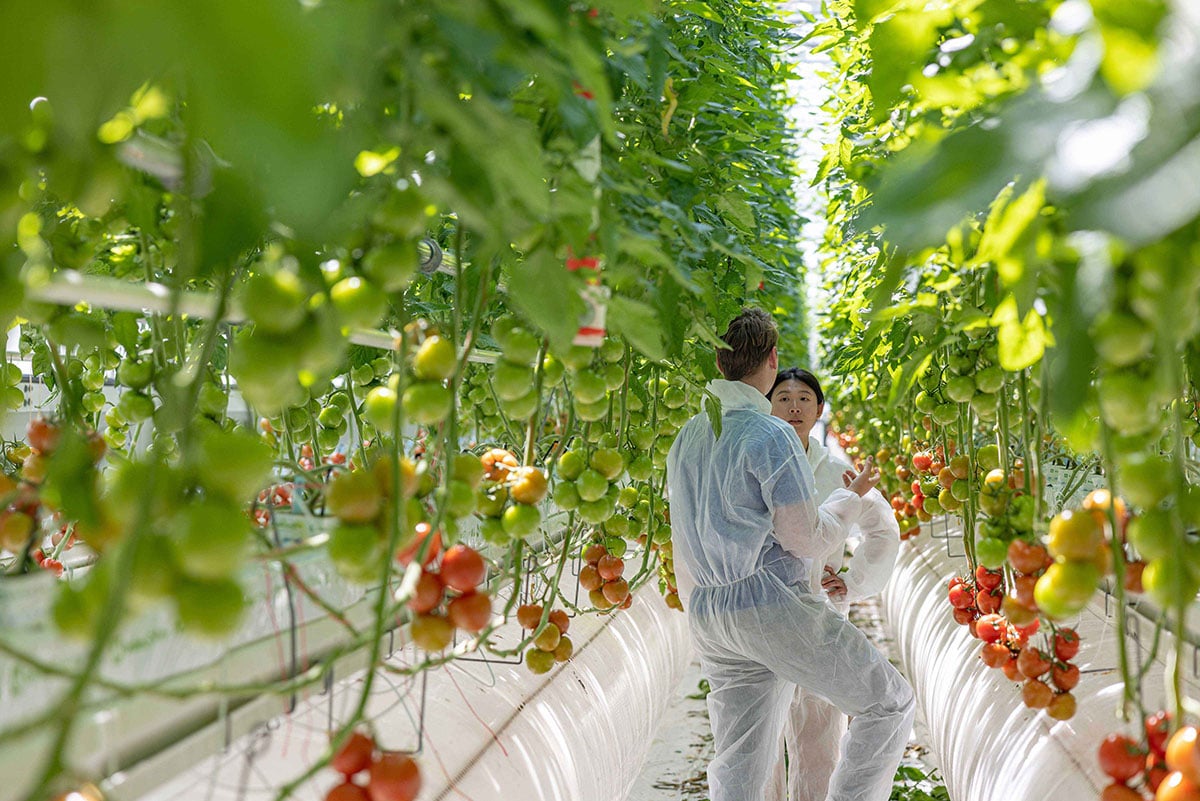
KUBO’s CO₂-Negative Cultivation Strategy is an innovative greenhouse concept that captures more CO₂ than it emits. Developed and tested in our high-tech test centers, this strategy combines smart software, advanced hardware upgrades, additional sensors, and innovative cultivation methods. The result is a perfectly balanced system for energy, water, and CO₂ management.
Growers achieve the same high yields, benefit from lower operational costs, and reach a verified negative CO₂ footprint. For growers and investors alike, this means profitable production with measurable climate impact, a sustainable step forward for the future of horticulture.
SUSTAINABLE, EFFICIENT & FUTURE PROOF
Climate goals
Efficiency
Regulations
Circular economy
PRACTICAL RESULTS
BlueLab
Selected Group
Answers backed by decades of greenhouse expertise
With almost a century of experience in greenhouse engineering, KUBO knows what works and why. Our FAQ covers the most common questions about this strategy, but every project is unique. Let’s discuss how we can tailor a design to your goals.
Frequently asked questions
An independent, ISO-validated study confirms that Ultra-Clima® tomato cultivation has a 25.4% lower CO₂ footprint (0.949 kg CO₂e/kg tomato) compared to a traditional Venlo greenhouse.
Yes. Energy consumption in Ultra-Clima® greenhouses is up to 18.5% lower thanks to efficient climate systems and smart ventilation.
The semi-closed design results in less evaporation and more efficient irrigation, leading to significant savings on water and crop protection products.
No. The technology is widely applicable. KUBO expects similar positive impact for peppers, cucumbers, strawberries, and leafy greens.
The results have been verified by Anthesis, an internationally recognized consultancy. The calculations have been officially audited according to ISO-14067.